Your Passport to North America: A Practical Guide to UL/CSA Certification and NRTL Compliance
2026-06-26
If you are sourcing electrical equipment—control panels, switchgear, or other power distribution products—for a project in the United States, you've likely encountered certification marks like UL or CSA on product nameplates. You may have also heard that certain certifications are mandatory for workplace safety.
This guide explains what you, as an engineer, procurement specialist, or project stakeholder, need to know to ensure your equipment is legally compliant, safe, and insurable.
Ⅰ OSHA and NRTL
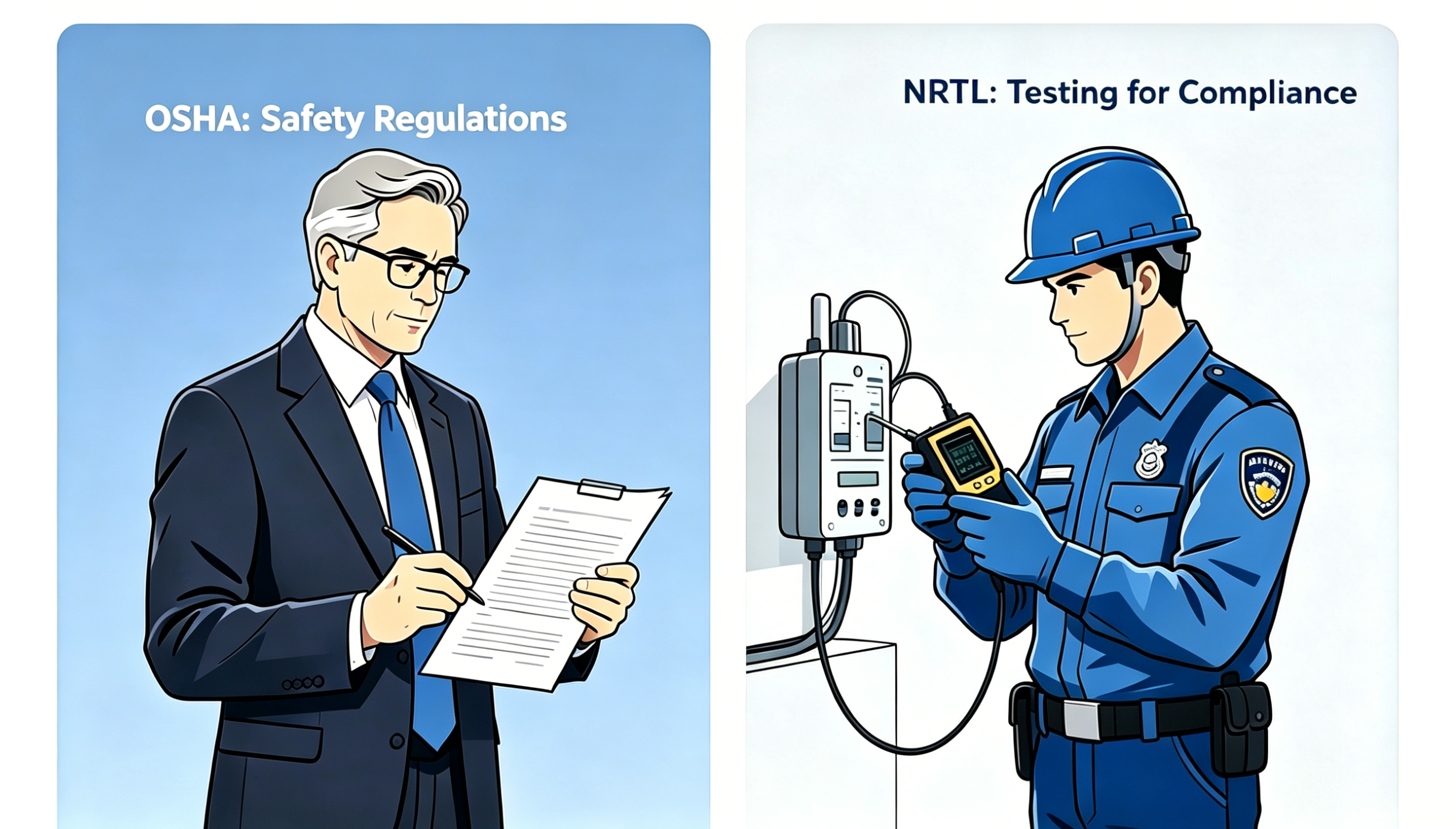
The U.S. Occupational Safety and Health Administration (OSHA) is the federal agency under the Department of Labor responsible for workplace safety. OSHA sets the rules.
The Nationally Recognized Testing Laboratory (NRTL) program is OSHA's mechanism for enforcing those rules. An NRTL is an independent, private-sector organization that OSHA has recognized as qualified to test and certify products for safe use in the workplace.
To use a simple analogy:
OSHA is the regulator that writes the law.
An NRTL is the independent body authorized to verify and certify that a specific product meets the law's requirements.
Ⅱ Why NRTL Certification Matters
If your equipment does not bear a valid NRTL mark, you are exposing your project to significant operational and legal risks.
Legal Mandate
Federal law requires that electrical equipment in workplaces be "acceptable." OSHA defines "acceptable" as certified, listed, or labeled by an NRTL. There is no exception for "trusted brands" or "equivalent standards."
Customs Clearance
U.S. Customs and Border Protection may detain or refuse entry for electrical equipment that lacks NRTL certification. The mark is a de facto "passport" for entry into the U.S. market.
Site Inspections
State and local electrical inspectors, who have authority over final installation approval, can reject equipment that lacks certification. This can lead to costly delays and rework.
Insurance and Liability
Insurance companies often require NRTL certification as a condition of coverage. In the event of an electrical fire or accident, they may deny claims if the equipment is not certified. The manufacturer and purchaser could also face liability for injuries or damages.
Ⅲ Who Can Certify? The NRTL List
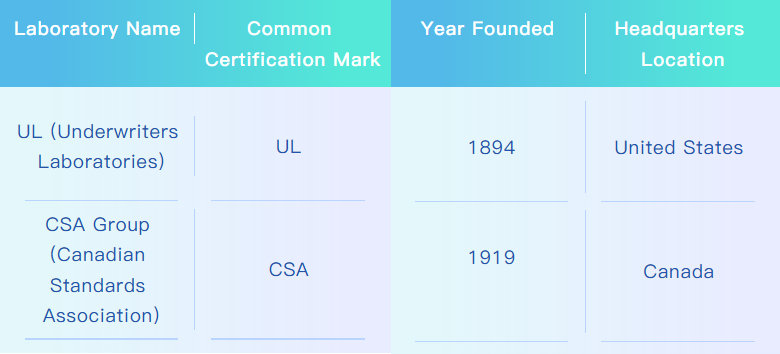
OSHA maintains a public list of accredited NRTLs. While there are around 20 recognized labs, these two are most commonly seen in the industry:
Ⅳ Correcting Common Misconceptions
When evaluating supplier proposals, be aware of these common mistakes:
Myth 1: "UL is the only legally valid certification."
Fact: UL is one of many OSHA-recognized NRTLs. A CSA, ETL, or MET mark has the exact same legal standing under federal law. Choosing a certified supplier is what matters—not the specific mark.
Myth 2: "CSA is only for Canada."
Fact: The CSA Group has been an OSHA-recognized NRTL for decades. A product bearing a "cCSAus" mark has been certified to meet both U.S. (UL) and Canadian (CSA) standards simultaneously. This is an advantage for projects with equipment operating in both countries.
Myth 3: "One certification covers all our needs."
Fact: Certification is tied to a specific product model and its intended application. If a certified panel is modified in the field, or if it's used in a way not covered by its certification report (e.g., in a hazardous location it wasn't tested for), the certification is void. It's essential to verify the scope of the certification.
Ⅴ What to Check as a Buyer or Specifier
When vetting suppliers for your next project, due diligence is key. Here is a checklist for procurement and engineering teams:
1. Verify the Certification is Active
Ask the supplier for the certificate number.
Cross-reference this number against the specific NRTL's online certification database.
2. Verify the Scope
Ensure the certification explicitly covers the specific model number you are purchasing.
Confirm the product's "Conditions of Acceptability" match your application. Some components may be certified only for use in a specific end-product assembly.
3. Verify the Manufacturing Site
Certification is tied to a specific production facility. A company may have multiple factories, and a model certified in one location may not be covered if produced in another. NRTLs conduct unannounced quarterly factory inspections to ensure production consistency.
4. Understand the Distinction: Listed vs. Recognized vs. Field Labeled
This is a crucial nuance for complex equipment.
Listed: The product is manufactured in volume and subject to ongoing factory surveillance. This is the most common for standard control panels.
Recognized: This designation is primarily for components intended for use in a complete system. It is not appropriate for finished equipment.
Field Labeled: For custom-built or modified equipment that cannot be sent to a lab, an NRTL may conduct an on-site evaluation. A special "Field Evaluation Label" is applied, but this is tied to the specific installation and does not carry the same level of oversight as full product listing.
Ⅵ Your Partner for Compliance: Infraswin Energy
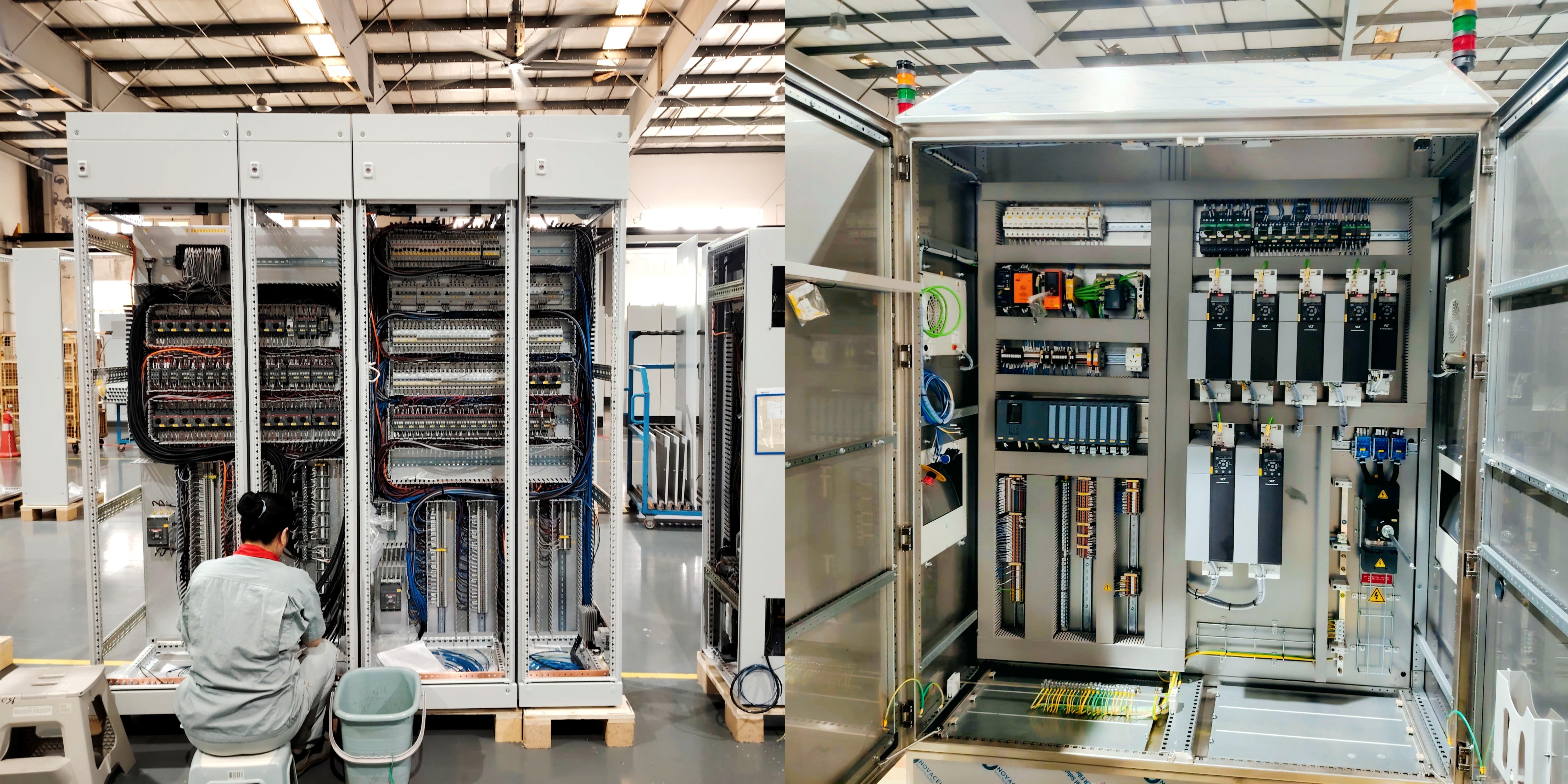
As a specialist in industrial power distribution, we understand the complexities of North American market access. Infraswin Energy is a professional panel shop holding dual UL and CSA certifications, fully complying with NRTL requirements.
Our offerings—including UL 508A industrial control panels and UL 891 low-voltage switchboards—undergo rigorous testing. We maintain compliance through continuous factory surveillance by our NRTL partners. This guarantees that the equipment you receive is not only certified at the time of manufacture but is manufactured according to the certified design, ensuring safety, reliability, and full legal compliance for your North American projects.